28 Oct 2026 · aaoms Team · 2 min read
Dressing a Nepal hospital through the year
Terai heat, hill cold, monsoon damp and air conditioned wards. One uniform standard has to survive all four.
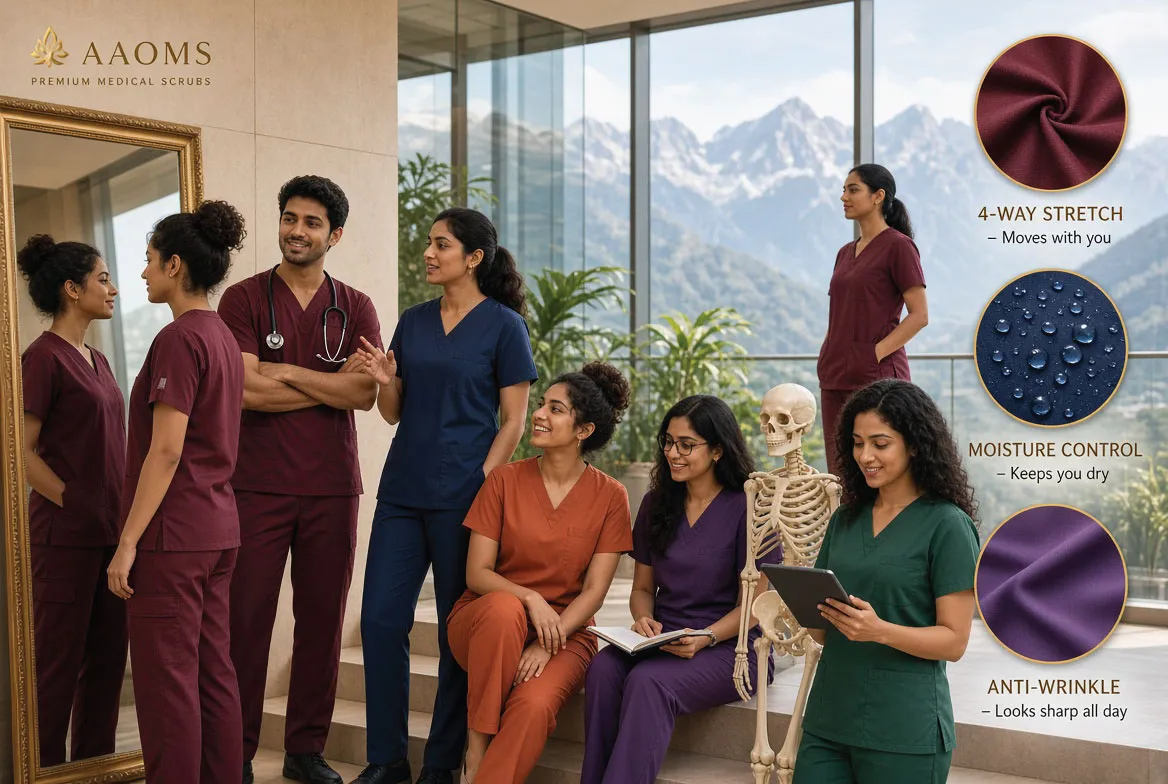
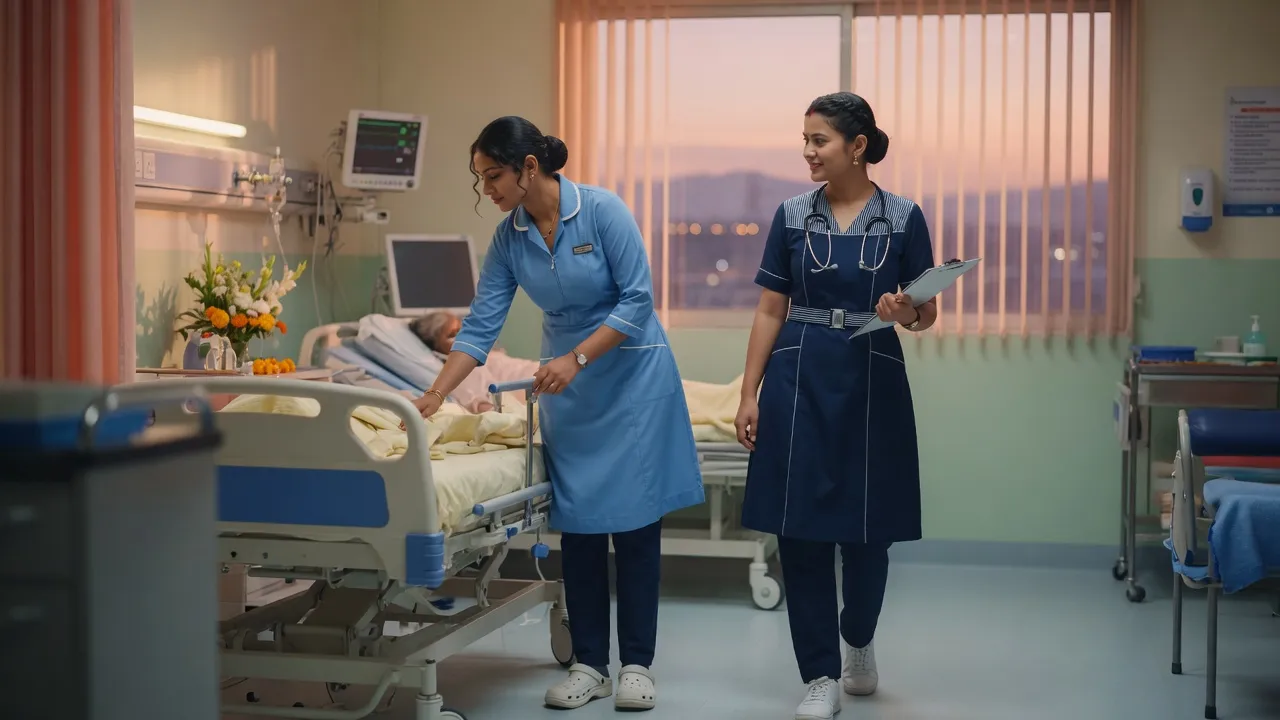
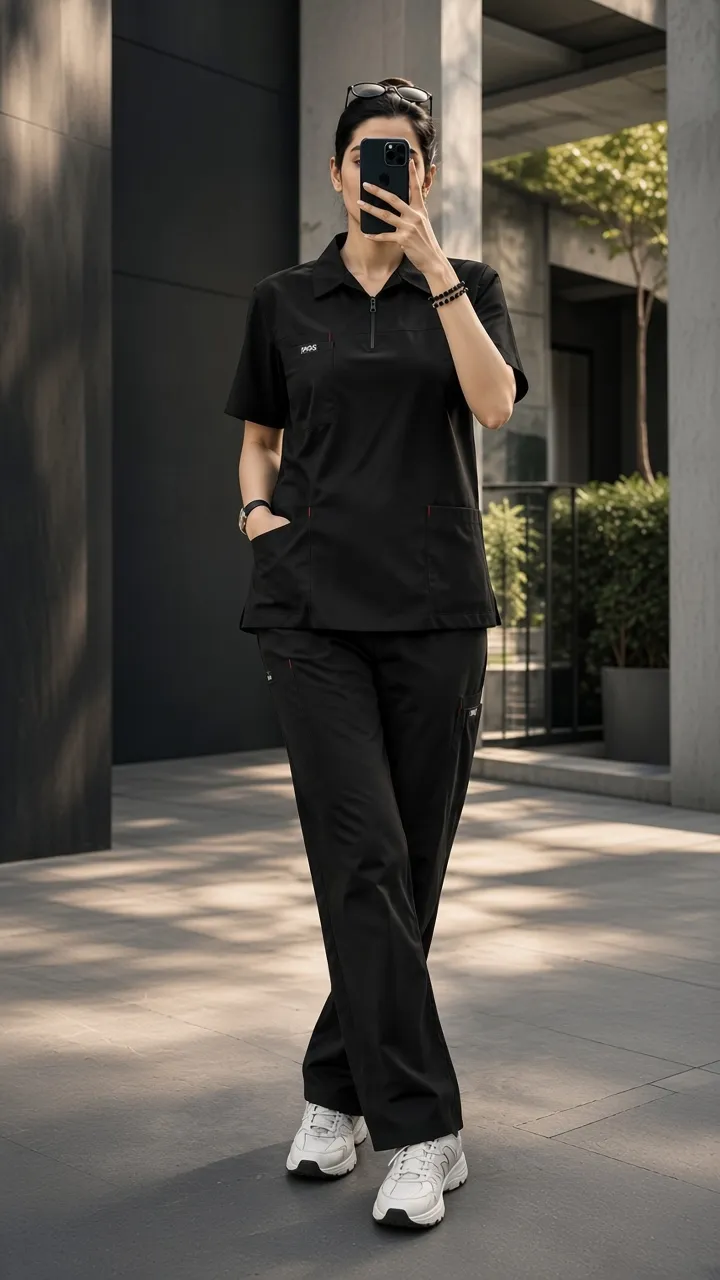
Nepal asks a lot of a uniform. In Janakpur the summer crosses forty degrees. In Surkhet the winter mornings sit near freezing. In Kathmandu, a ward is air conditioned in July and unheated in January. A hospital group with sites in more than one province is buying for all of it at once.
This is why fabric weight matters more here than in a single climate market.
A light fabric that feels excellent in a Terai summer can feel thin and cold in a hill hospital in December. A heavy fabric that feels reassuring in the hills becomes unbearable in the plains by April. The compromise most hospitals land on is a mid weight with some stretch, worn with a layer underneath in winter.
Three practical notes.
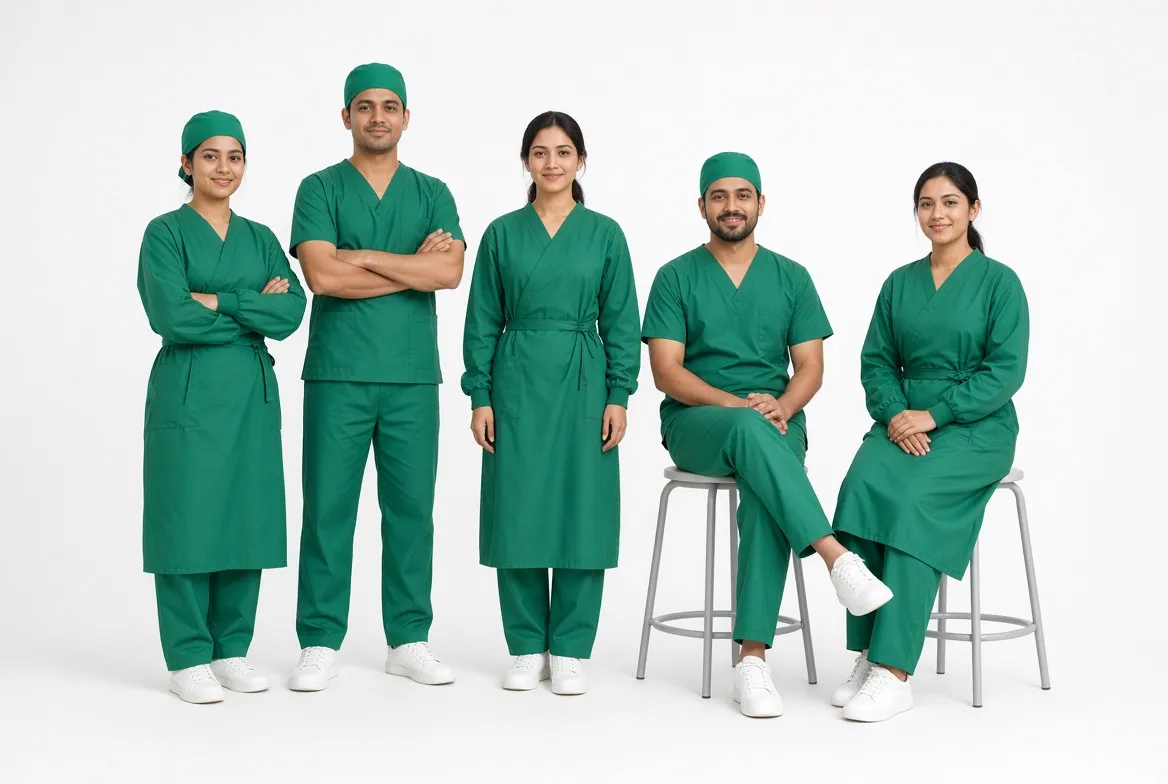
Air conditioning changes the calculation. An OT at eighteen degrees needs a different fabric from a general ward at thirty two. If your hospital runs cold theatres and warm wards, do not buy one fabric for both.
Monsoon is a fabric test, not just a delivery test. Humidity keeps cotton damp for longer, and a garment that stays damp against the skin for a twelve hour shift is a comfort problem and a hygiene problem. Blends that dry faster earn their price in June.
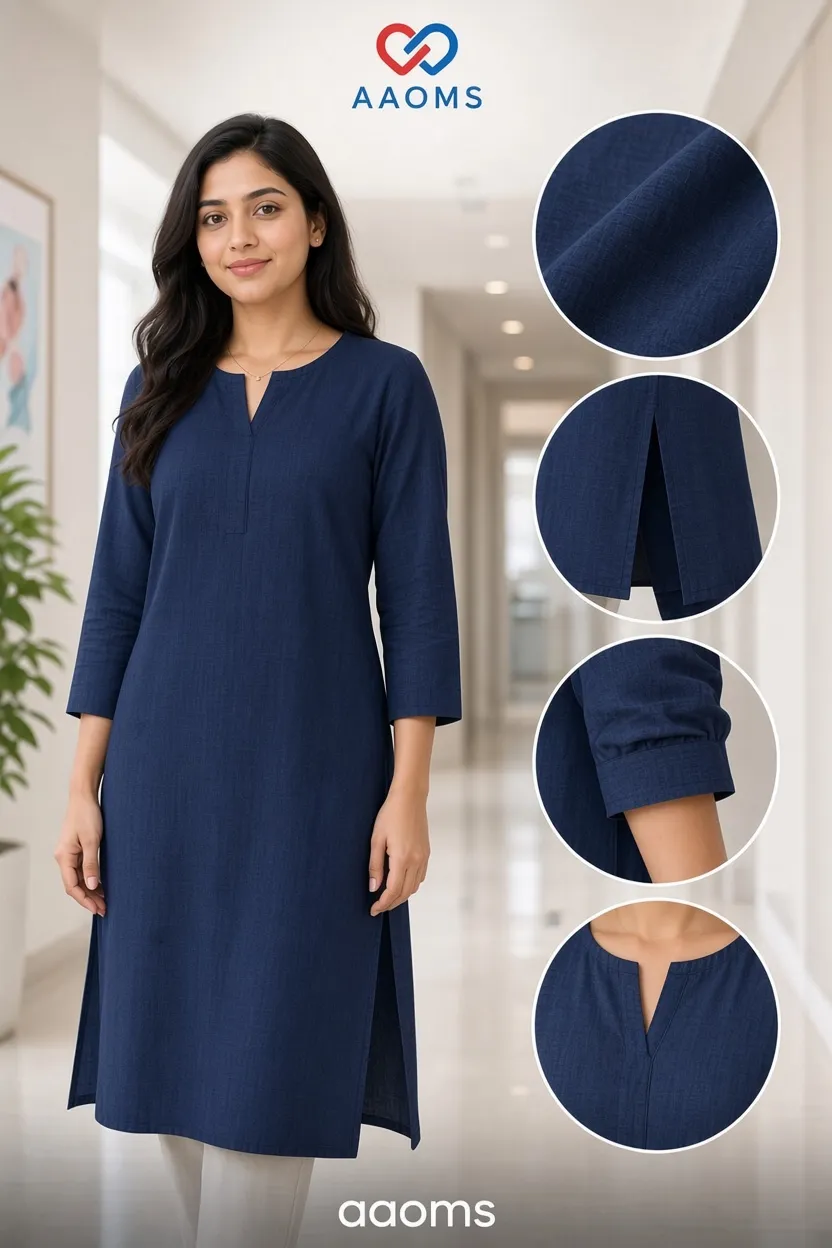
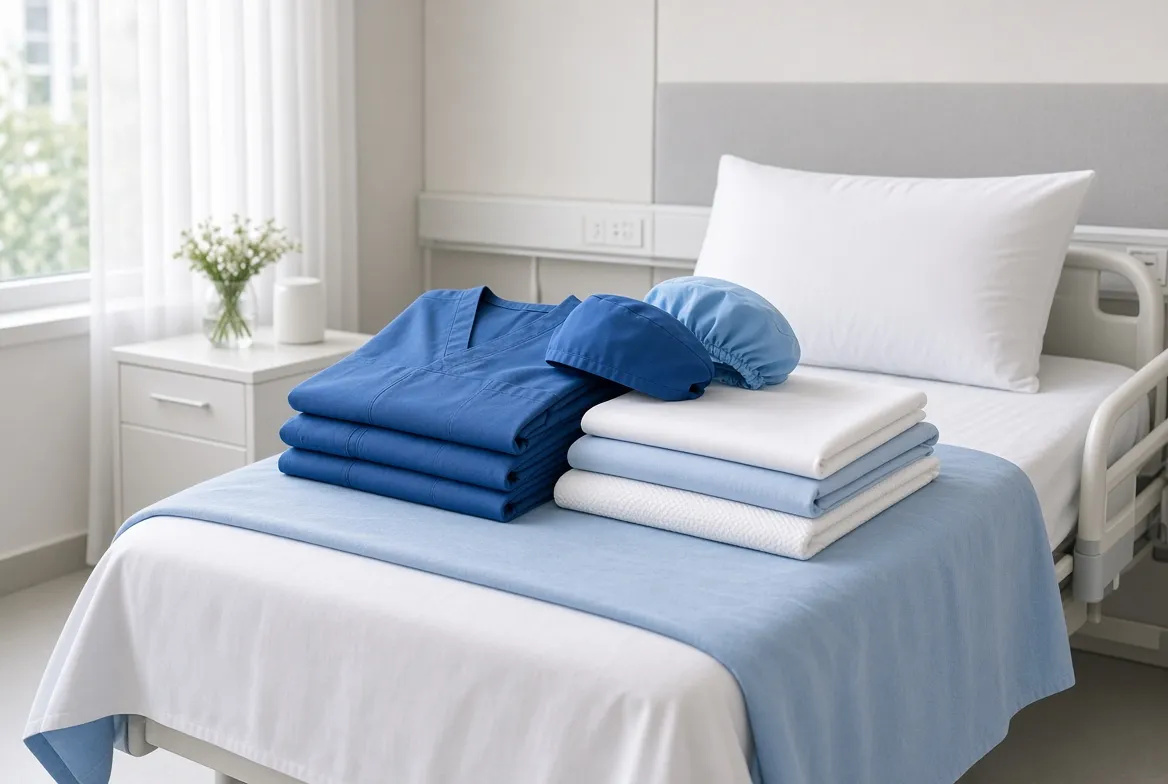
Colour choice is a climate decision too. Dark navy hides a wet patch. Ceil blue and light grey show it immediately. Neither is wrong, but the ward should know which it is buying.
If you are standardising across several sites, ask for a swatch set and test it in the room where it will actually be worn. Two ward rounds in the real room will tell you more than any specification sheet.
We keep a colour chart for exactly this reason. Physical swatches, sent to the hospital, held against the ward lighting.
Need this measured properly?
Send your numbers, or book a call and we will take them with you.