20 Sept 2026 · aaoms Team · 2 min read
A complete solution, from fabric to final design
Most medical wear is sold as a finished garment. We start one step earlier, at the fabric, and finish one step later, at the design you actually wanted.
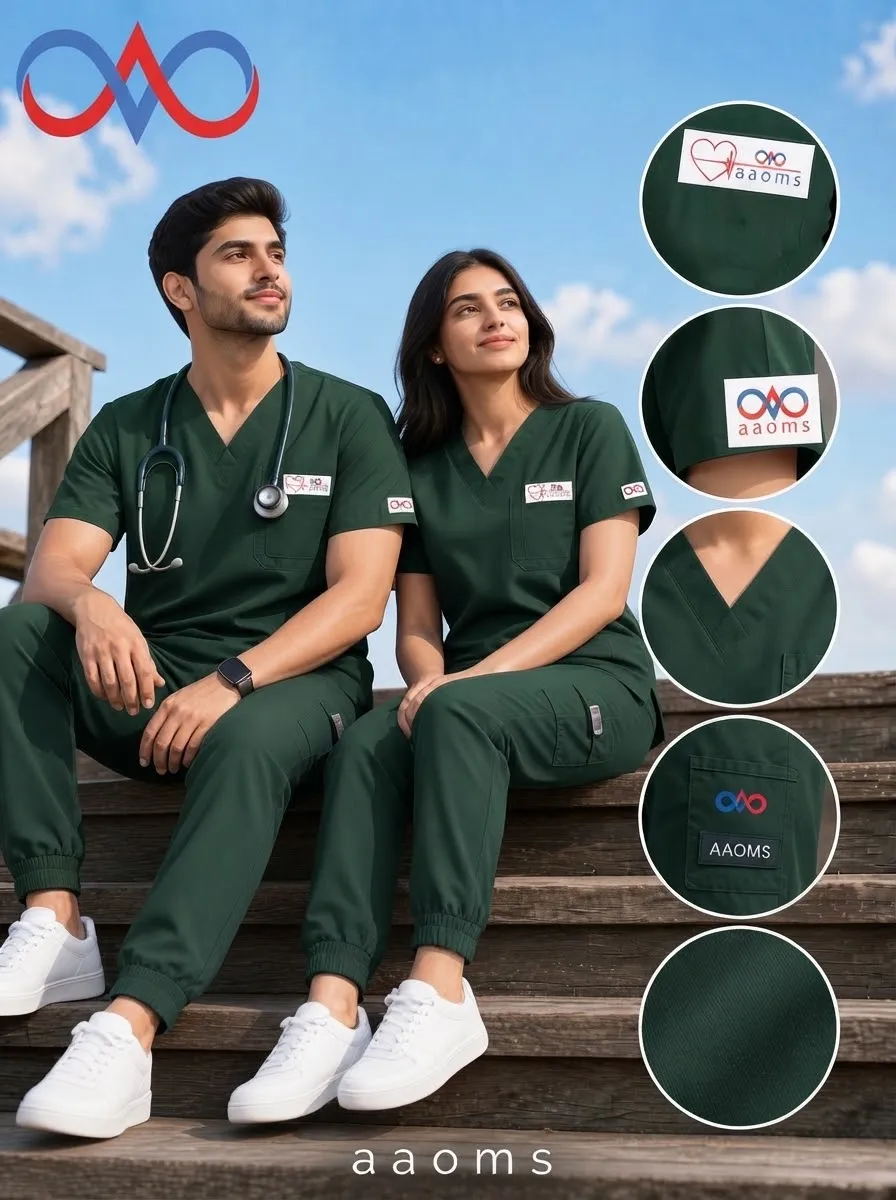
Most medical wear in Nepal is sold as a finished garment. A shop has what it has, you pick the closest size, and the order ends there. If the shoulder is wrong or the fabric is thin, that becomes your problem to live with.
We work the other way round. The garment is the last thing that happens, not the first.
Dhiraj Pokhrel came to us with a fabric he had felt at another hospital and a design he had sketched on a piece of paper. We matched the fabric, measured his team, and built the pattern from the sketch. The garment was the last thing we agreed on.
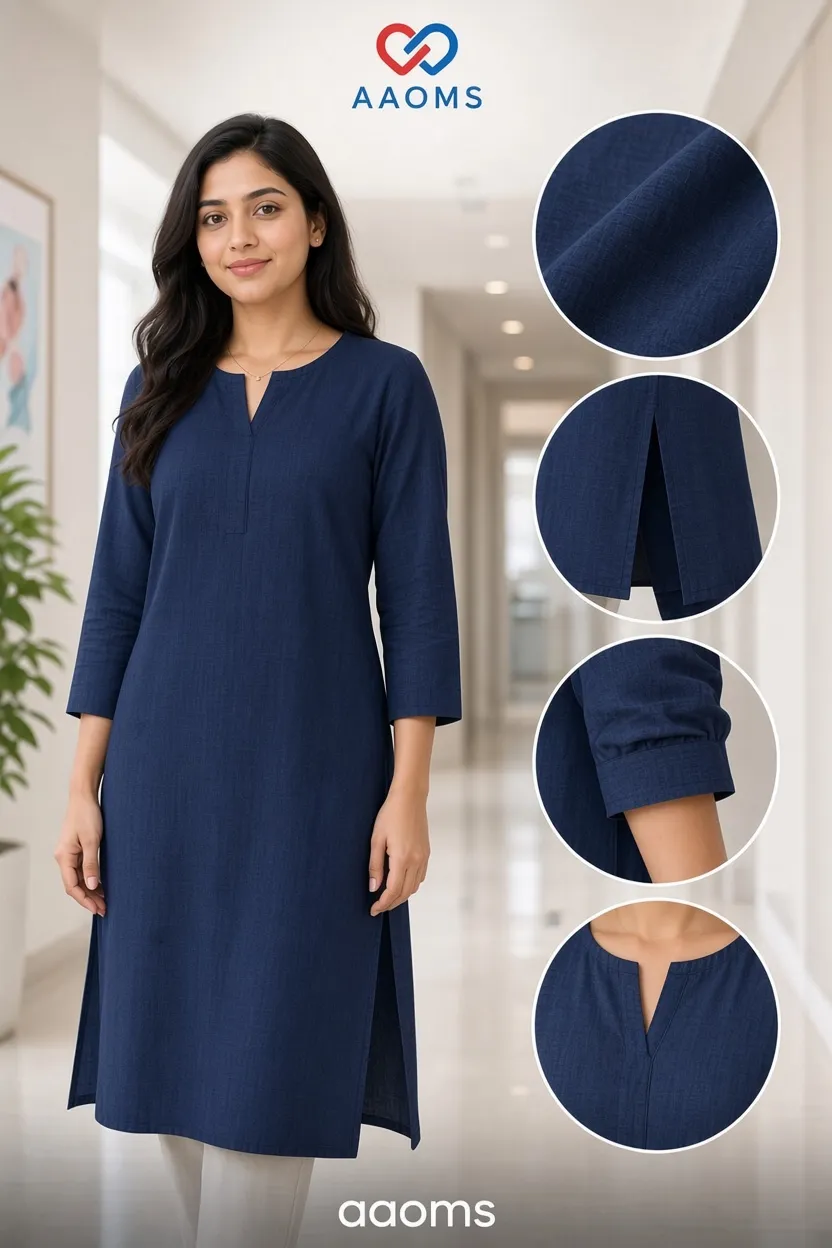
It starts with fabric. Weight, blend, stretch, how it behaves after forty washes at the temperature your laundry actually uses. A ward in the Terai and a theatre at eighteen degrees need different answers, and choosing the fabric first is what makes the rest possible.
Then the measurement. Six numbers per person, taken on the body, with the definitions written down so they mean the same thing to everyone.
Then the pattern. Adjusted to those numbers, not to a chart built for a different population.
Then the sample. Worn for a shift, not held up in a mirror. Whatever it reveals goes back into the pattern before anything is cut in bulk.
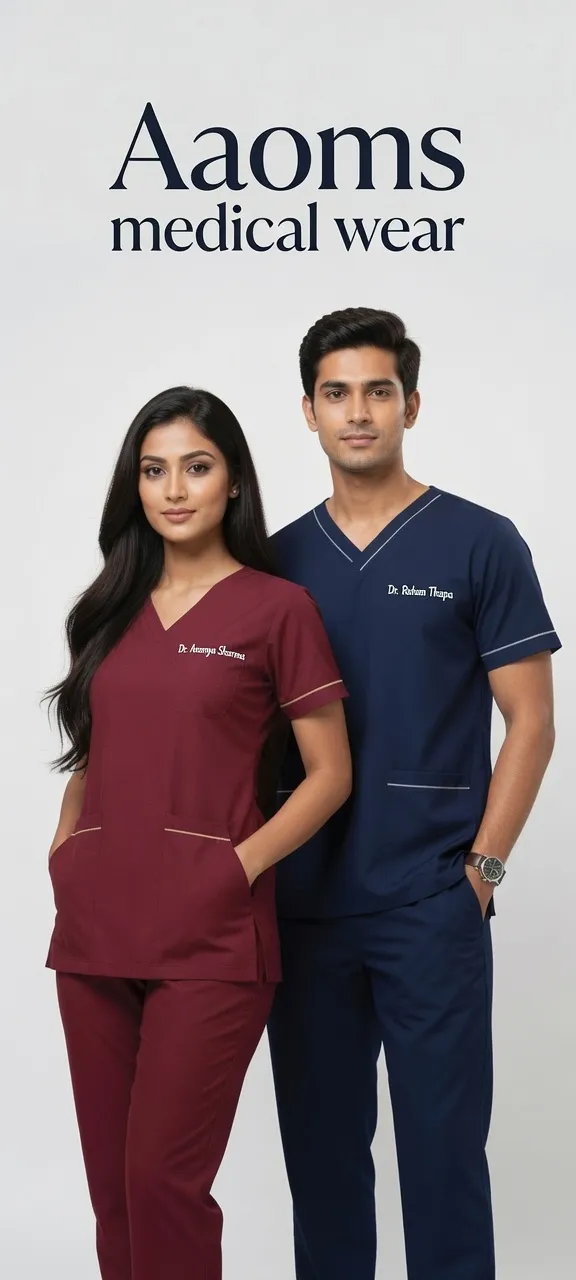
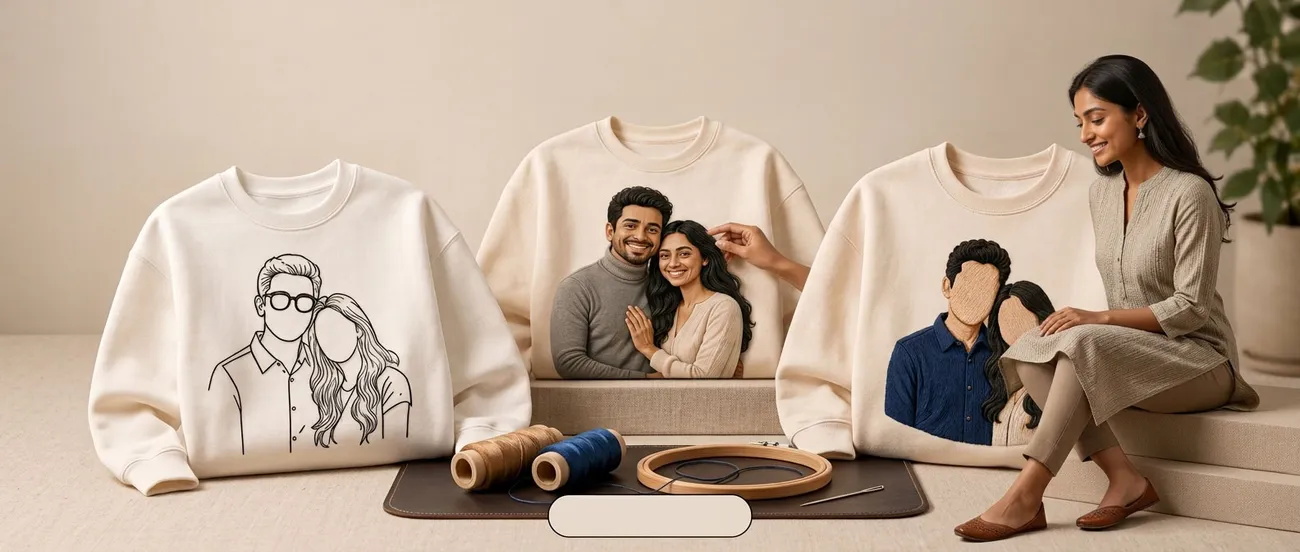
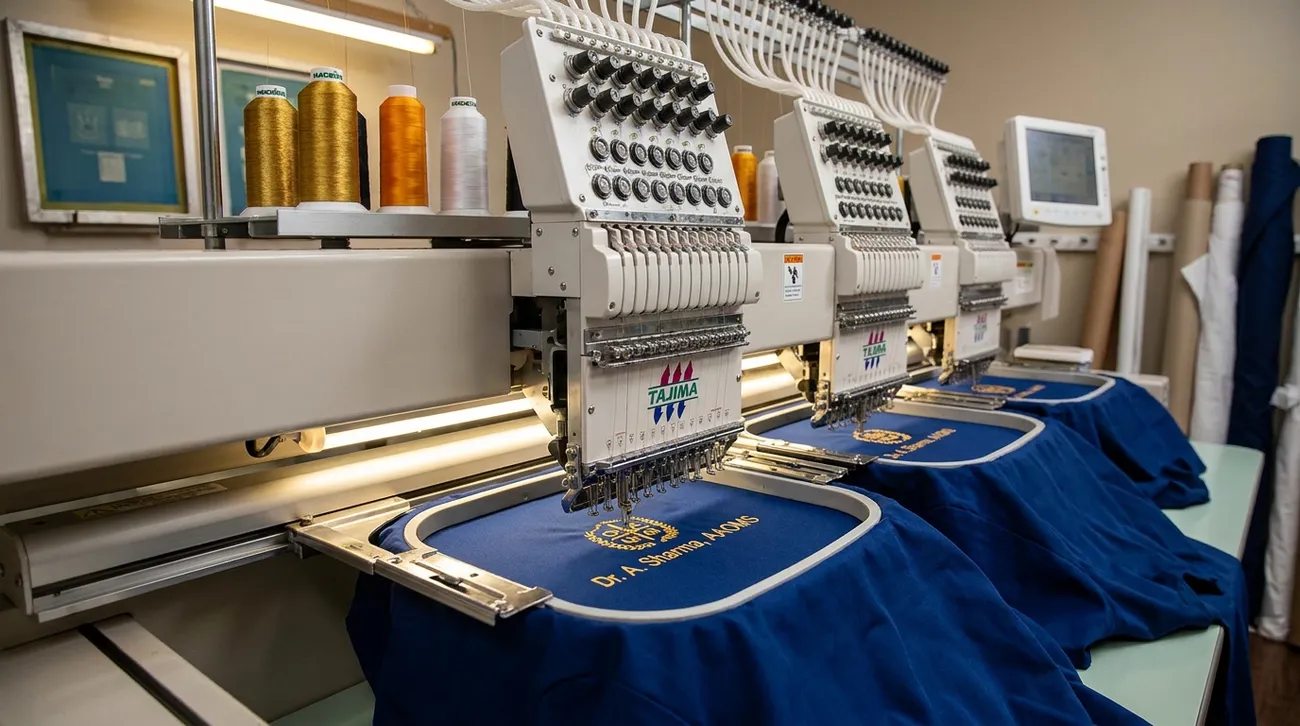
Then the design. Logo, name, placement in centimetres, thread reference, backing. This is the part people think of as the product, and it is genuinely the part that carries the brand. It just cannot rescue a garment that fits badly.
Then production, finishing, the final check, and delivery.
Each step depends on the one before it. That is why a supplier who only sells finished garments cannot fix a fit problem, and why a supplier who only does embroidery cannot fix a fabric problem.
World class is an easy phrase to print on a website. In medical wear it should mean something checkable. A fabric specified for the room it will be worn in. A pattern corrected against real measurements. A sample that was worn before the bulk run. A seam density that survives a year of hospital laundry. A named person who answers when something goes wrong six months later.
Readymade is not the problem by itself. A readymade garment can be excellent if it was designed well and cut from good fabric. The problem is readymade as a business model, where the product is whatever was already made and the customer is expected to adapt to it.
The complete chain is more work. It is also the only version where the thing that arrives is the thing you described.
If you have been buying scrubs that almost fit, the problem is not your body or your budget. It is where the process started.
Need this measured properly?
Send your numbers, or book a call and we will take them with you.