14 Aug 2026 · aaoms Team · 1 min read
Colour fastness: what ten washes tell you
A uniform is washed more often than almost any other garment. Colour is where that shows first.
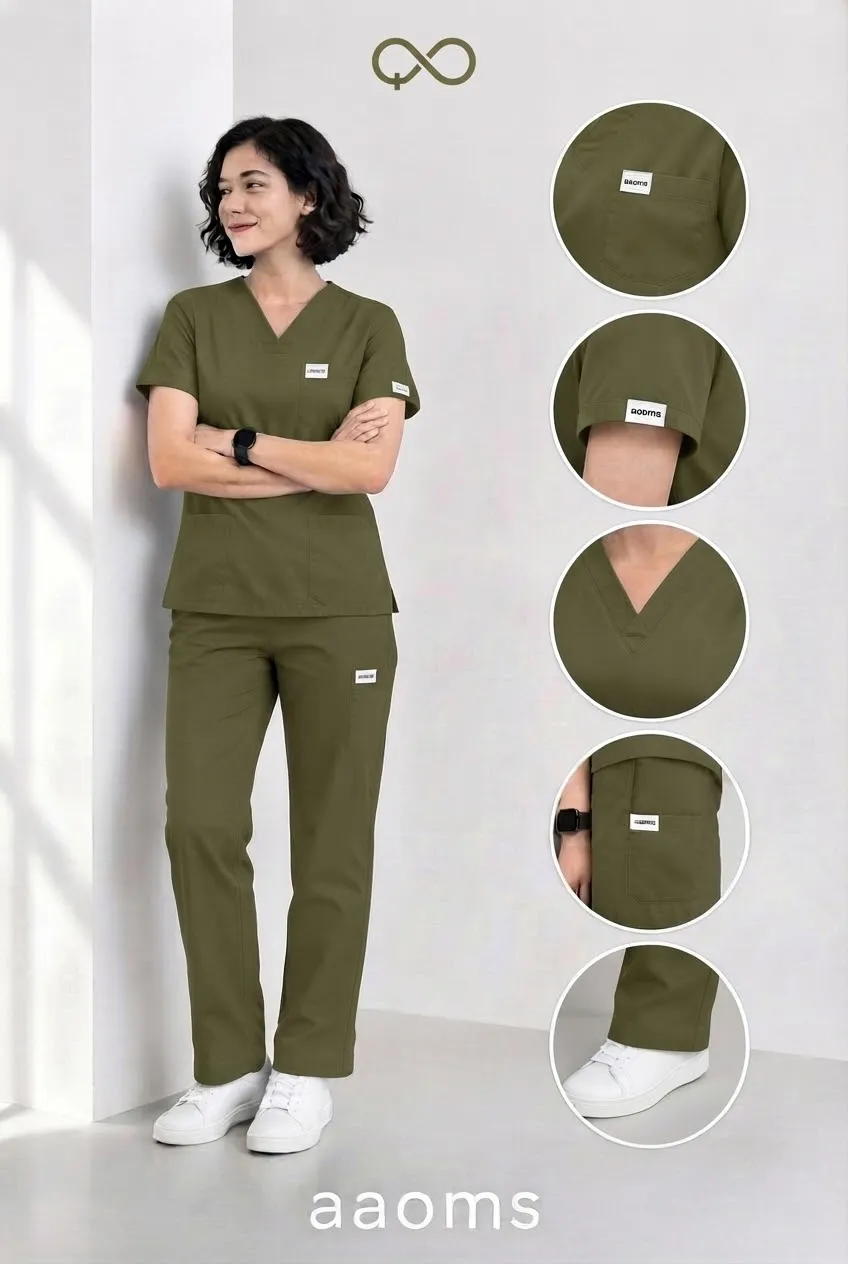
A hospital uniform is washed constantly. Four or five times a week is normal, at temperatures a domestic machine rarely reaches. No garment looks the same after a year of that, and colour is where the change is most visible.
Colour fastness is the term for how well a dye stays where it was put. There are two kinds that matter for medical wear.
The first is fastness to washing. A dye that bleeds in the wash fades unevenly, and a garment washed with others can tint them. This is why a new navy scrub should be washed separately for the first few cycles.
The second is fastness to light. A uniform that sits near a window or under strong ward lighting will fade on the exposed surface first, which produces the patchy look that is so obvious on a ward.
Three things reduce fastness. High temperature, harsh detergent, and drying in direct sun. A hospital cannot avoid the first, but it can control the other two.
The practical test is simple. Wash a sample ten times at the temperature the hospital actually uses, dry it the way the hospital dries, and hold it next to an unwashed piece.
A slight softening is normal and expected. A visible shift toward grey, or a difference you can see across the room, means the dye or the process is not suited to that laundry.
This is why a hospital should test before a large order rather than after. Ten washes on one sample costs a day. Discovering the problem on two hundred sets costs a season.
Ask what temperature your laundry runs at. Order the fabric for that number, not for the label.
Need this measured properly?
Send your numbers, or book a call and we will take them with you.