10 Oct 2026 · aaoms Team · 2 min read
Sending a uniform order to a hill district
The last twenty kilometres are the ones that decide whether a delivery works. Plan them first.

A health post in a hill district is not a difficult customer. It is a difficult address.
The order itself is usually small and clear: eight sets, two colours, names embroidered. The complication is that the final leg may not be a road, and the courier network thins out sharply once you leave the highway.
Three things make the difference.
Plan the last mile before you order, not after. Someone at the receiving end should know which transport office reaches the settlement, and roughly which day of the week it leaves. A parcel that arrives at the district headquarters on a Friday may sit there until Tuesday.
Give a real contact number and a backup. In hill districts the person who receives the parcel is often not the person who placed the order. If the phone number on the waybill belongs to someone in Kathmandu, the delivery will fail even though the address is correct.
On a recent order, Rohit placed it from Kathmandu and Nabin received it at the health post. The waybill carried Rohit's number, which would have failed on the day. We added Nabin's, plus the number of the transport office at the district headquarters.
Build slack into the date. If the uniforms are needed for a training on the fifteenth, dispatch should aim for the first week, not the twelfth.
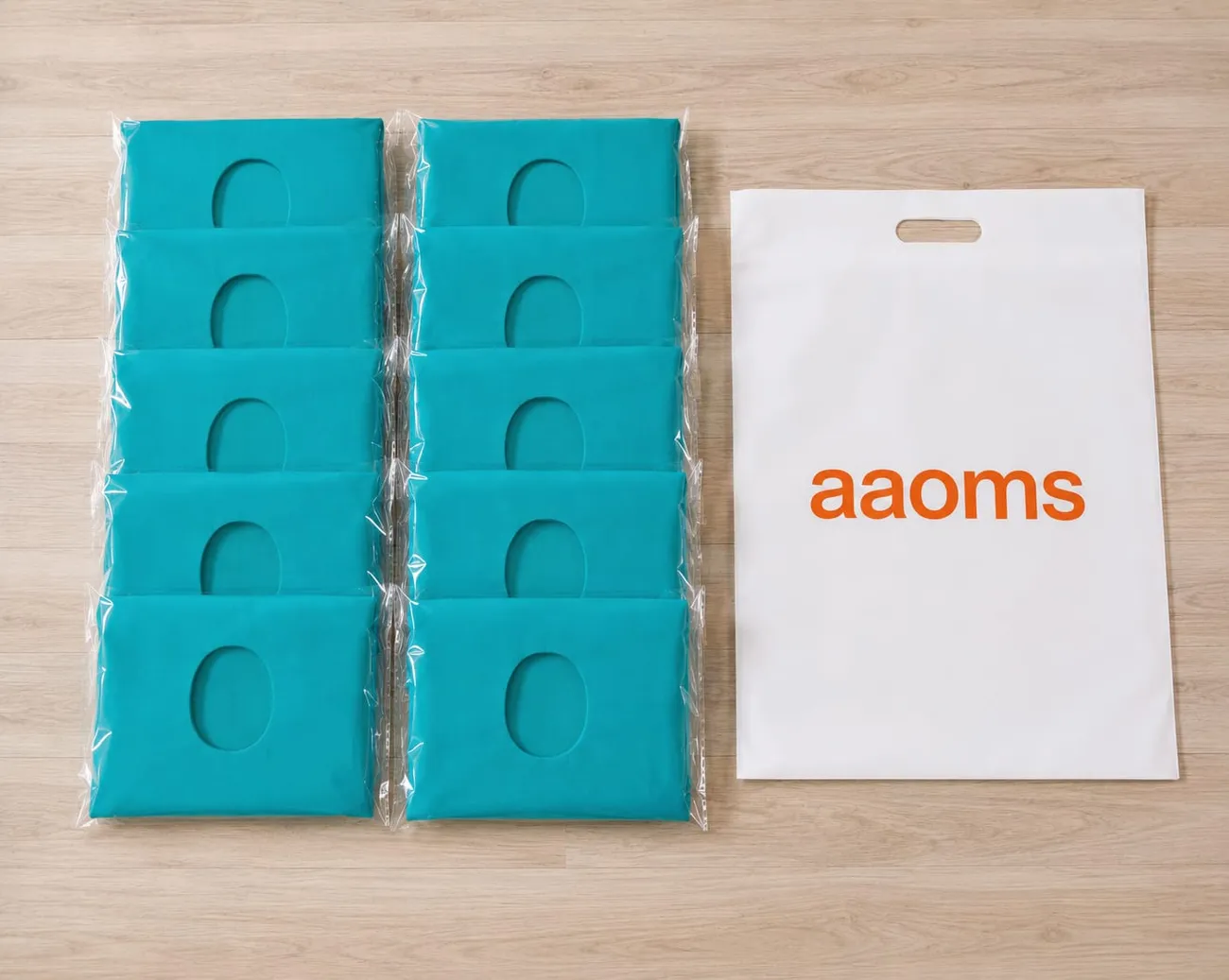
There is also a packing consideration. The last leg is often on top of a bus or in a shared jeep, in the rain, over a road that is partly a riverbed in July. A carton that is fine for a valley courier can arrive soft and torn. We pack hill district orders with an extra inner wrap and a taped seam for that reason.
None of this is glamorous work. It is the difference between a uniform that reaches a health post and one that reaches a district office and stops there.
Need this measured properly?
Send your numbers, or book a call and we will take them with you.