21 Oct 2026 · aaoms Team · 1 min read
The layers of a Nepal OT
Surgical green is the colour everyone recognises. The uniform underneath it is where the comfort is won or lost.

From the corridor, an operating theatre uniform looks like one garment. Inside the theatre it is a system of layers, and each one has a different job.
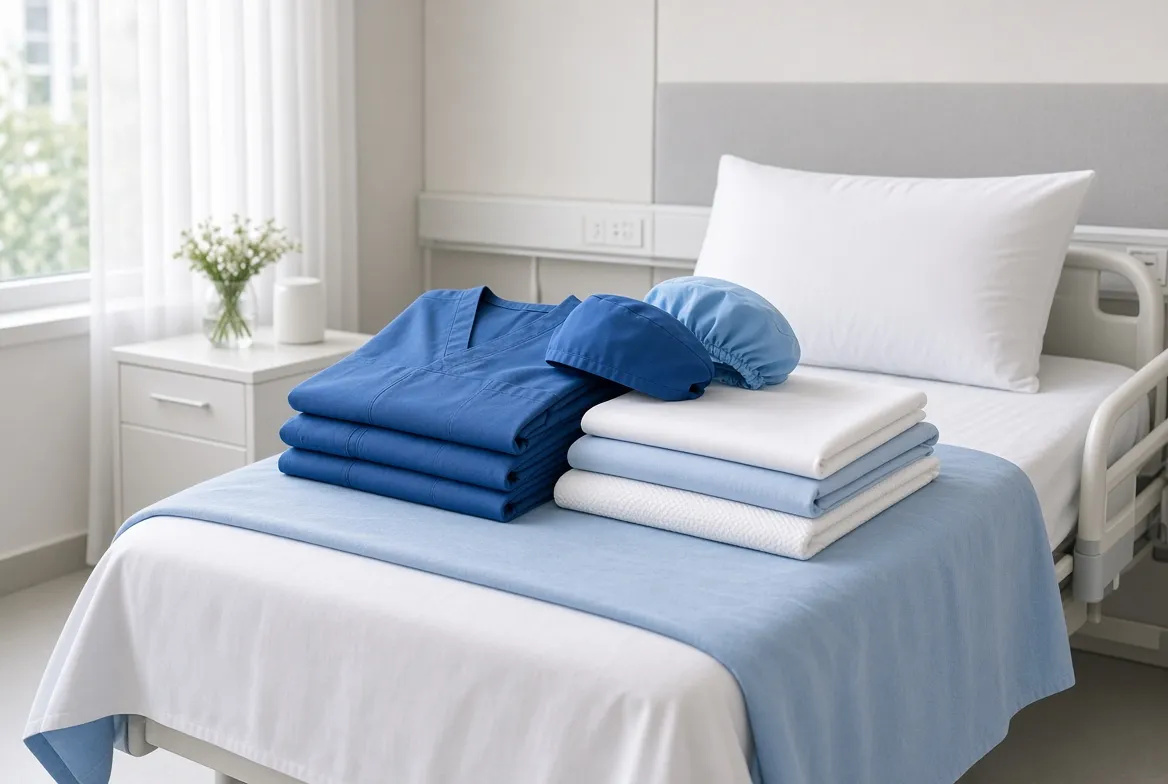
The innermost layer is the scrub set. It touches skin for the whole shift, so it decides comfort, and it has to survive repeated high temperature washing without losing shape. This is the piece most hospitals under-specify, because it is the piece nobody sees.
The gown sits over it. It needs to drape without catching, tie without slipping, and stay out of the way when the wearer leans across a table for an hour.
The cap is small and easy to get wrong. A cap that grips too tightly leaves a mark across the forehead after a long case. One that is too loose moves when the head turns.
Then there is the footwear and the accessories, which are usually bought separately and rarely match, because nobody thinks about them until the first week.
The practical consequence is that a hospital should not buy theatre uniforms as a single line item. Buying the scrub, the gown and the cap from one place at one time is cheaper in the long run, because the colours match, the fabric weight is consistent, and a replacement arrives in the same shade as the original.
Surgical green and surgical blue are the two standards. Both look simple. Neither is, once you have to keep forty sets looking identical after a year of washing.
If you run a theatre, count the layers before you count the budget.
Need this measured properly?
Send your numbers, or book a call and we will take them with you.