12 Sept 2026 · aaoms Team · 1 min read
What international buyers should know about Nepali embroidery
The craft is old here and the machines are modern. What that combination means for a logo on a uniform.
Nepal has a long embroidery tradition and a modern machine base. The two sit side by side, and for a buyer it is worth understanding which one you are getting.
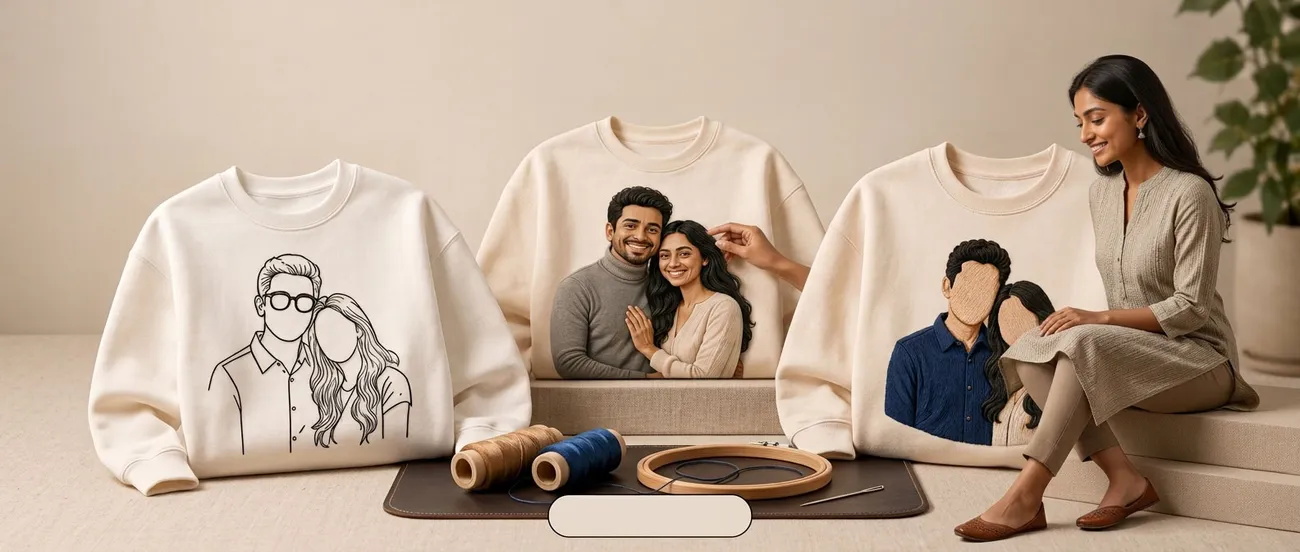
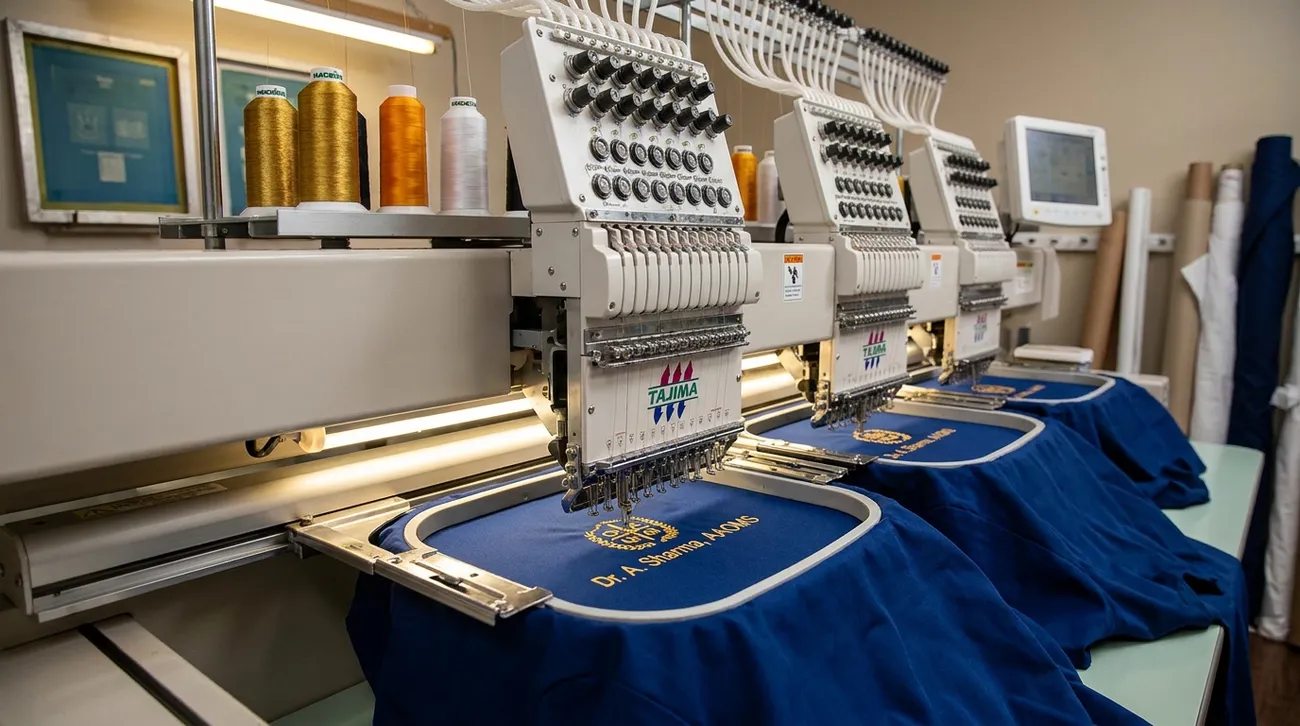
Hand work exists, mostly for couture and ceremonial pieces, and it is slow and expensive. Commercial uniform embroidery is machine work, done on multi head machines that can run the same design across many garments at once. That is the same technology used in any garment exporting country.
What differs is the digitising. A logo file has to be converted into a stitch path, and the quality of that conversion decides the result. A well digitised logo holds its shape after fifty washes. A badly digitised one looks acceptable on day one and turns into a blur by month three.
For international buyers, four specifications are worth agreeing in writing.
The size, in millimetres, of the finished mark. Not approximate. A logo that is twenty percent larger than expected can look wrong on a chest.
The thread, by colour reference. Pantone or a physical swatch. Screen colours will not match thread.
The placement, in centimetres from the shoulder seam and from the centre line.
The backing. A cut away backing holds a dense logo better than a tear away, and on a knit fabric it prevents the stitching from pulling the fabric out of shape.
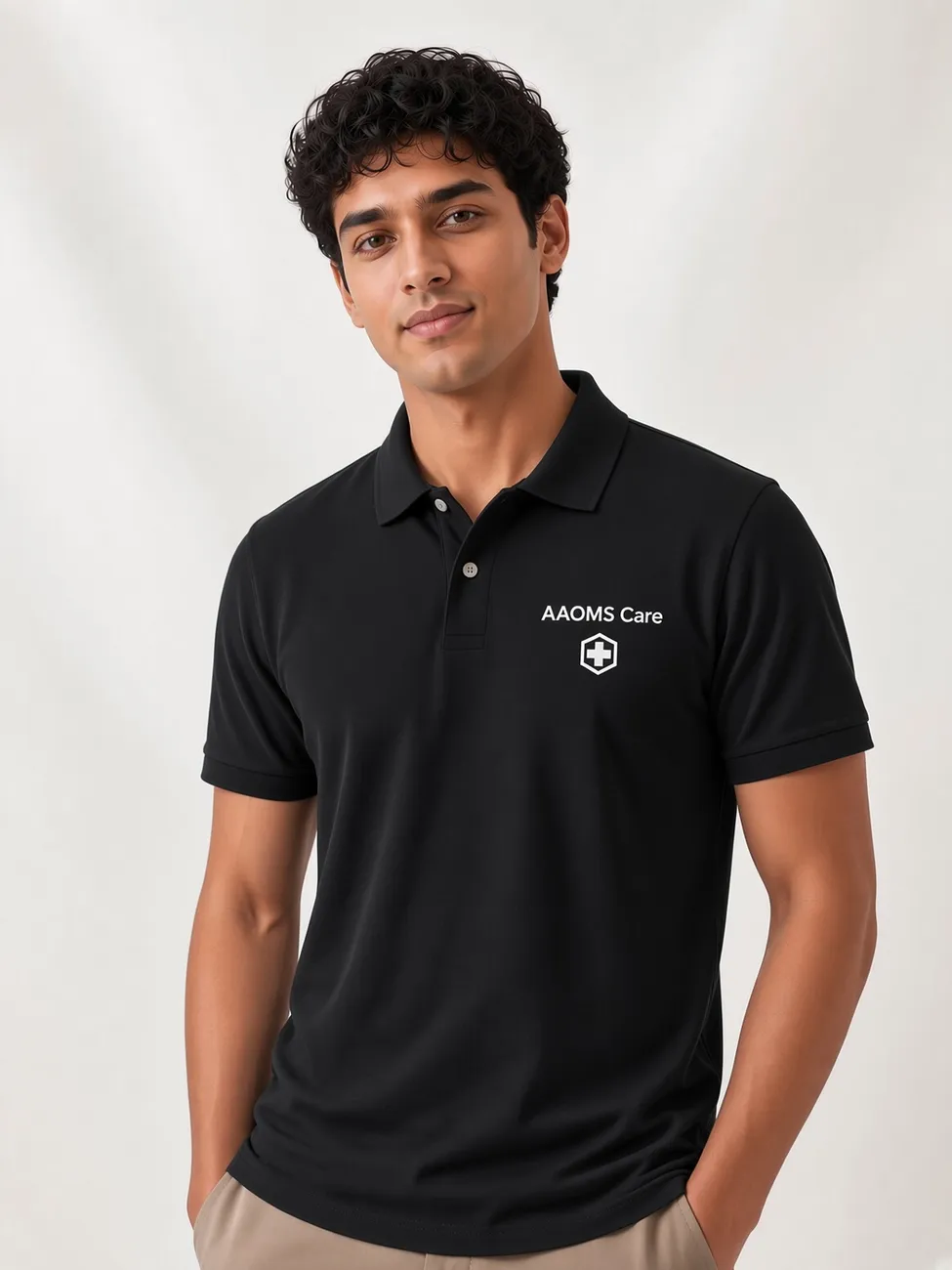
We send a physical sample for institutional orders for exactly this reason. A photograph of embroidery is not the same as embroidery.
If you are comparing suppliers, ask each one what backing they use and how many stitches per thousand the design runs. The answers tell you more than the price.
Need this measured properly?
Send your numbers, or book a call and we will take them with you.