5 Oct 2026 · aaoms Team · 1 min read
What the price of a Nepal scrub actually covers
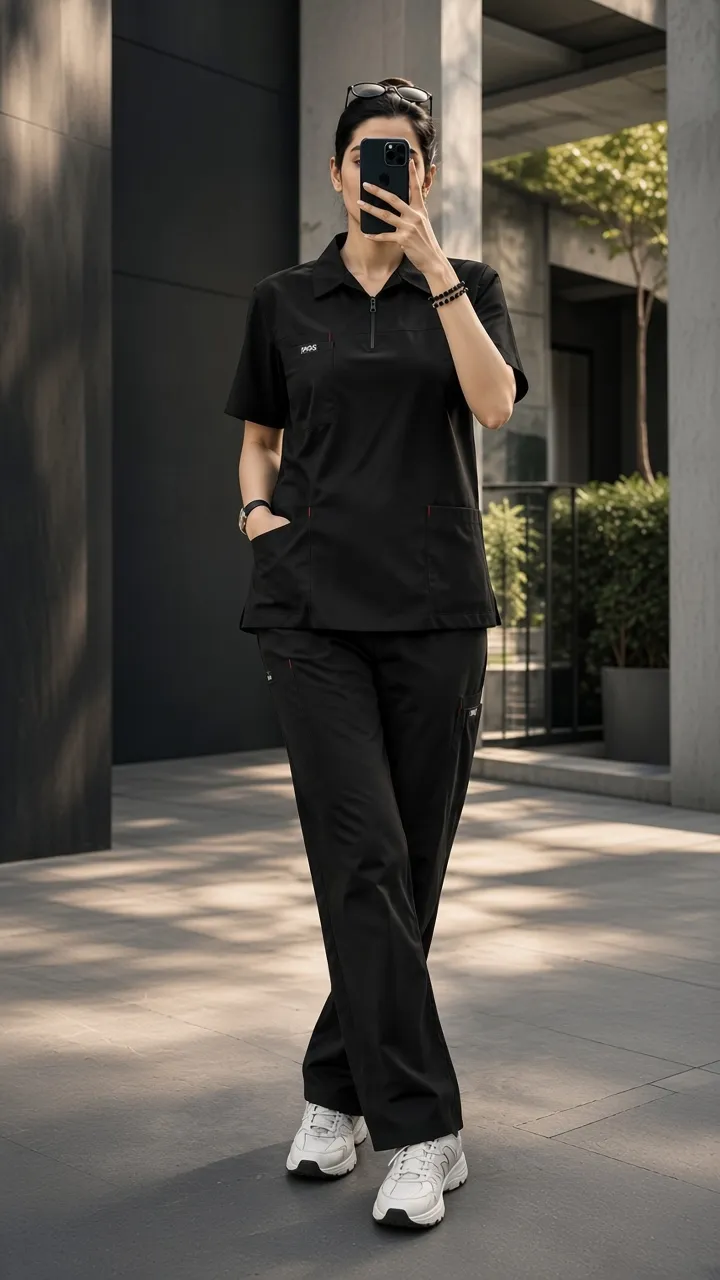
Two scrub sets at very different prices can look identical on a screen. The difference is in the parts you cannot see.
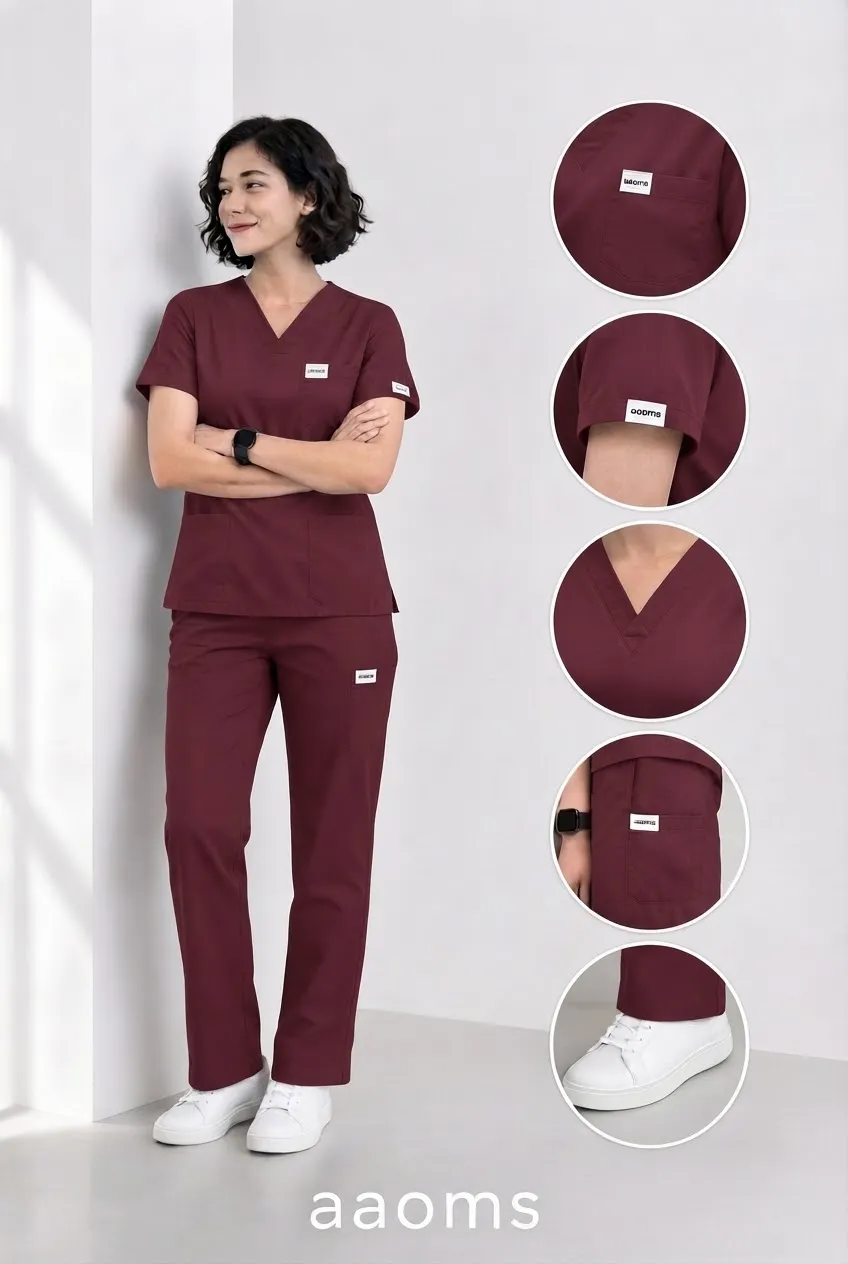
A scrub set in Nepal can cost two thousand rupees or six. From a product photograph, the two can look the same. The difference sits in five places.
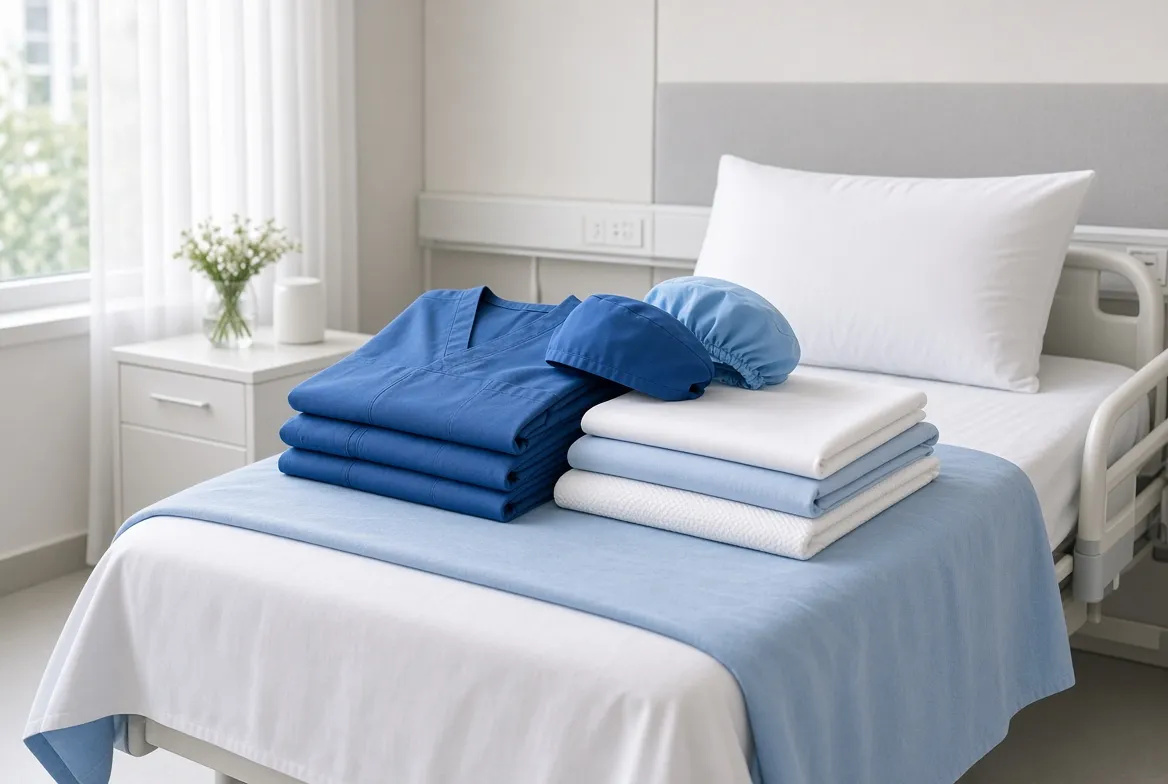
Fabric is the largest. A heavier, denser weave with a small amount of stretch costs more per metre and behaves differently after twenty washes. This is the part buyers underestimate most, because it is invisible on day one and obvious in month six.
Thread and stitching density is the second. A garment sewn at a low stitch density looks fine and fails at the seams first. Reinforcement at the pocket corner, the crotch and the armhole is a small cost that decides how long the piece lasts.
The third is the cut. A pattern built on a real measurement set uses more fabric than one cut to squeeze three sizes out of a narrow width. The difference shows at the shoulder and the rise.
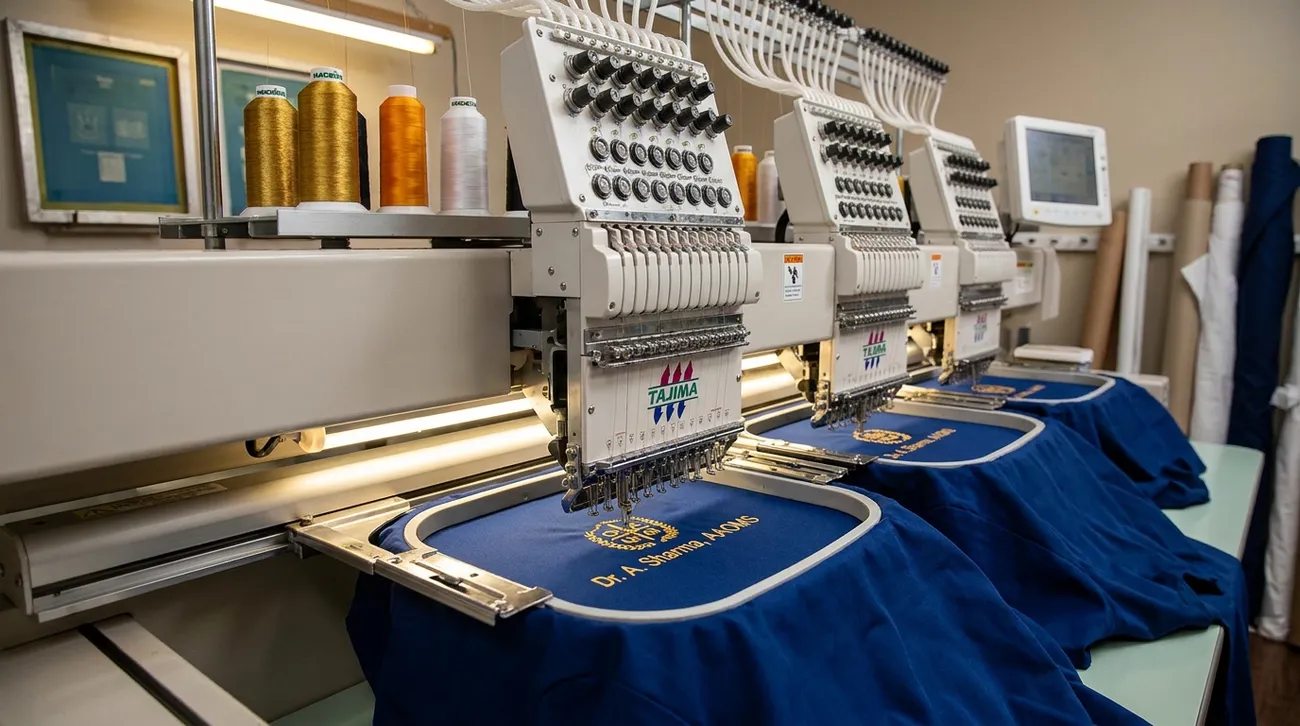
The fourth is finishing. Bartacks, twin needle hems, clean interior seams and a colour matched drawcord are all labour. They are also the difference between a garment that looks handmade and one that looks manufactured.
The fifth is what happens after the sale. A replacement, an alteration, an answer on WhatsApp in the evening. That has a cost, and a price that excludes it is a price that will not be honoured later.
None of this means the most expensive option is always right. A clinic buying for a reception desk does not need the same fabric as an OT. But when two prices are far apart, the gap is usually in one of those five places, and it is worth asking which.
Need this measured properly?
Send your numbers, or book a call and we will take them with you.